A room full of politicians, journalists, and entertainers fell into pandemonium when gunfire erupted just outside the Washington Hilton during the White House Correspondents’ Dinner (WHCD). Among those inside was actor Zachary Levi, known for his roles in Chuck and Shazam!, who found himself immersed in a scene no one expected: a sudden and violent commotion that sent the ballroom into chaos.
Levi didn’t just witness the aftermath—he experienced the confusion, fear, and urgency in real time. His account offers a rare, ground-level perspective on how quickly a high-profile social event can turn into a crisis—and how unprepared even secure venues can be for such moments.
The Night Unfolds: From Glamour to Panic
The WHCD is traditionally a night of glitz, speeches, and orchestrated photo ops. Celebrities mingle with lawmakers, networks broadcast red carpet interviews, and the president typically delivers lighthearted remarks. That year, the tone shifted abruptly when a disturbance broke out near the hotel’s exterior courtyard—where a protest had turned violent.
Zachary Levi had just taken his seat inside the ballroom when the first shouts rang out.
“It started with murmurs,” Levi later told a news outlet. “Then someone near the back screamed, ‘He’s got a gun!’ That’s when everything stopped.”
The energy in the room shifted in seconds. Waiters froze mid-pour. A comedian mid-joke cut off mid-sentence. Cameras swiveled from stage to exits. The disconnect between the curated atmosphere and the reality outside created a surreal tension—people weren’t sure whether they were hearing a joke, a drill, or a genuine threat.
Levi noted that it took nearly 90 seconds for hotel staff and security to confirm the danger. “That’s the scariest part,” he said. “The lag between what your gut tells you and what authority confirms.”
Inside the Ballroom: How Panic Spreads
Security protocols at high-profile events often focus on external threats: perimeter checks, credentialing, surveillance. But Levi’s experience spotlighted a critical gap—internal response.
When the commotion began, the ballroom’s layout worked against quick evacuation: narrow aisles, a single main exit, and guests seated throughout a dimly lit space.
Levi described people standing up simultaneously, blocking sightlines and exit paths. “I saw a woman in heels trying to help an elderly guest. A reporter was trying to livestream while guiding others. But there was no clear instruction.”
He emphasized that the absence of public address announcements in the first few minutes caused hesitation. “People don’t want to overreact. So they wait. But when the threat is real, waiting costs time.”
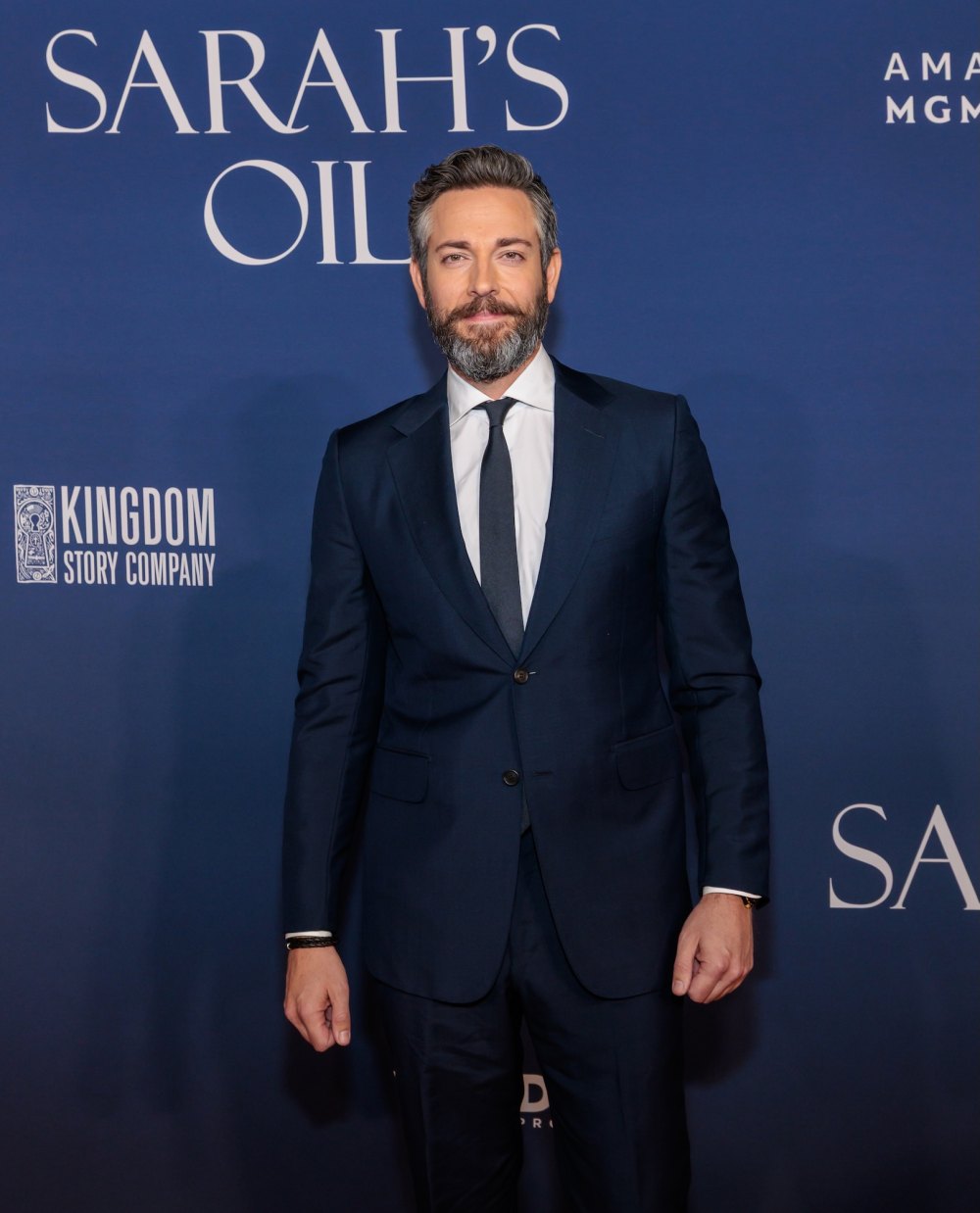
At least three guests suffered minor injuries during the scramble—mostly from falls or crowd pressure near the exits. Levi helped guide a group toward a side door used by catering staff, which remained unlocked. “It wasn’t part of the plan,” he admitted. “But sometimes the back door is safer than the front.”
Zachary Levi’s Role: Actor or Instinctive Leader?
Levi didn’t stage-manage the evacuation—nor did he claim to. But his actions during the crisis drew attention: staying calm, directing people quietly, and refusing to push forward when others were struggling.
“I didn’t do anything heroic,” he said in a follow-up interview. “I just tried not to make it worse.”
Still, his awareness of the surroundings mirrored training he received for action roles—situational awareness, crowd dynamics, exit identification. “You pick up things on set. Like, where’s the closest fire extinguisher? What doors are propped open? You joke about it, but in that moment, it clicked.”
This raises an unspoken question: should public figures or frequent event attendees receive basic crisis response training? Levi didn’t advocate for mandatory prep, but he noted, “If you’re at events like this regularly, knowing basic safety moves could help. Not as a hero—just as a decent human.”
Communication Breakdown: What Went Wrong
One of the most troubling aspects Levi highlighted was the lack of real-time communication.
Hotel staff later explained that they waited for confirmation from law enforcement before making announcements. But in that window, misinformation spread. Guests received conflicting texts—some saying “active shooter,” others “false alarm.” Social media erupted with unverified videos.
Levi recalled seeing a network producer trying to verify a viral clip: “It was shaky, taken from a balcony. Showed a man with what looked like a rifle. But it turned out to be a protest sign on a long pole. Still, by then, half the room was convinced we were under attack.”
The delay in official communication underscored a systemic flaw: venues often prioritize avoiding panic over providing clarity. But Levi argued the opposite approach works better. “People can handle ‘We don’t know yet.’ What they can’t handle is silence.”
Security Gaps at High-Profile Events
The WHCD is among the most visible political gatherings in the U.S., yet it’s not classified as a National Special Security Event (NSSE), which would trigger federal coordination by the Secret Service and DHS. That distinction typically applies to inaugurations or State of the Union addresses.
As a result, security falls largely to the hotel and D.C. Metropolitan Police—agencies with limited jurisdiction and fewer resources than federal task forces.
Levi questioned the logic. “You’ve got senators, cabinet members, journalists with sources—all in one room. Why isn’t that treated like a major threat target?”

He pointed to visible shortcomings: - Limited metal detectors (only at main entrances) - No bag checks for guests already inside - Inconsistent communication channels between staff - No public emergency alerts integrated into the event
“These aren’t flaws you notice until something happens,” he said. “Then you realize how thin the safety net really is.”
The Aftermath: Trauma and Awareness
In the days following the incident, Levi admitted to struggling with anxiety. “I kept replaying it. The sound, the silence after the scream, the way people looked at each other.”
He wasn’t alone. Several attendees reported symptoms of acute stress, including insomnia and hypervigilance in crowded spaces. Mental health professionals working with event staff noted a spike in crisis-related counseling requests.
But Levi also used his platform to push for change. He joined advocacy efforts calling for: - Mandatory crisis response briefings at major events - Integration of emergency alert systems into venue PA networks - Clearer signage for secondary exits at ballrooms and auditoriums
“We can’t prevent every threat,” he said. “But we can stop making it easier for chaos to spread.”
Lessons from the Ballroom
What happened at the WHCD wasn’t a mass shooting—but it didn’t need to be to expose vulnerabilities. Zachary Levi’s firsthand account offers practical takeaways for organizers, attendees, and venues:
For Attendees: - Scout exits upon arrival. Note more than one route. - Keep your phone charged and emergency contacts accessible. - If you sense danger, don’t wait for official word—move calmly but decisively.
For Event Planners: - Conduct live drills—even brief ones—with staff. - Pre-record emergency messages for PA systems. - Partner with local law enforcement for real-time monitoring.
For Venues: - Install visible, multilingual emergency signage. - Use apps or SMS alerts to communicate with guests. - Train staff in crisis communication—how to speak clearly under pressure.
Levi didn’t set out to become a safety advocate. But his experience shows that in moments of crisis, ordinary awareness can become extraordinary action.
Closing: Be Prepared, Not Paranoid
The WHCD shooting commotion wasn’t a tragedy in the traditional sense—no bullets reached the ballroom, and law enforcement neutralized the threat within minutes. But for those inside, it was a visceral reminder of how fragile normalcy can be.
Zachary Levi’s story isn’t about celebrity; it’s about human response. The hesitation, the instinct, the small decisions that shape outcomes.
In a world where public gatherings carry increasing risk, his message is clear: awareness isn’t fear. It’s responsibility. Whether you’re an actor, a journalist, or an attendee, knowing what to do—and what not to do—can make the difference between calm and catastrophe.
Stay alert. Know your exits. And when chaos breaks out, don’t wait for permission to act.
Frequently Asked Questions
What happened during the WHCD shooting incident? A disturbance outside the Washington Hilton during the White House Correspondents’ Dinner escalated when a protest turned violent, leading to gunfire. No shots entered the ballroom, but panic spread inside.
Was Zachary Levi injured during the event? No, Zachary Levi was not physically injured. He assisted others during the evacuation and later spoke about the psychological impact of the experience.
Did the shooter enter the ballroom? No, the shooter remained outside the hotel. The commotion inside stemmed from panic after hearing shouts and unconfirmed reports of a firearm.
How did Zachary Levi respond during the crisis? Levi stayed calm, helped guide guests toward a secondary exit, and later advocated for better safety protocols at high-profile events.
Why wasn’t the WHCD classified as a high-security event? Despite its prominence, the WHCD is not designated a National Special Security Event (NSSE), meaning it doesn’t receive the same federal security resources as events like presidential inaugurations.
What changes have been proposed since the incident? Calls for improved emergency communication, better staff training, integrated alert systems, and enhanced venue security have increased following the event.
Could a similar incident happen at other large gatherings? Yes—any large public event with delayed communication, unclear exits, or inadequate security planning remains vulnerable to crowd panic, even without direct threats.
FAQ
What should you look for in Zachary Levi Recalls Chaos Inside Ballroom During WHCD Shooting? Focus on relevance, practical value, and how well the solution matches real user intent.
Is Zachary Levi Recalls Chaos Inside Ballroom During WHCD Shooting suitable for beginners? That depends on the workflow, but a clear step-by-step approach usually makes it easier to start.
How do you compare options around Zachary Levi Recalls Chaos Inside Ballroom During WHCD Shooting? Compare features, trust signals, limitations, pricing, and ease of implementation.
What mistakes should you avoid? Avoid generic choices, weak validation, and decisions based only on marketing claims.
What is the next best step? Shortlist the most relevant options, validate them quickly, and refine from real-world results.