When gunfire shattered the calm of the Washington Hilton during the White House Correspondents’ Dinner (WHCD), actor Zachary Levi was inside — not on stage, not in a green room, but in the thick of a situation no one saw coming. In the hours that followed, as news outlets scrambled for eyewitness accounts, Levi emerged as one of the most credible and composed voices describing the chaotic moments inside the ballroom.
His firsthand narrative didn’t come via press release or a carefully staged interview, but through a series of candid social media posts and later, on-camera interviews that cut through the noise. What he described wasn’t just fear — it was the sudden collapse of decorum, the instinctive scramble for survival, and the eerie silence that follows a gunshot in a crowded room.
The Night Unfolded: From Gala to Lockdown
The White House Correspondents’ Dinner is typically a night of satire, celebrity, and carefully choreographed optics. Journalists, politicians, and A-list stars gather under one roof for an evening that blends humor with media influence. That year, Zachary Levi, known for Chuck and Shazam!, was in attendance — not as a speaker, but as a guest, likely enjoying the rare moment of political-meets-pop-culture pageantry.
Then, around 9:45 PM, the tone shifted.
Security personnel began moving with urgency. Murmurs spread faster than announcements. Someone said they heard a pop — not fireworks, not a dropped mic, but a sound sharp and wrong in the space. Within seconds, staff directed attendees toward interior hallways. The ballroom, once buzzing with laughter and clinking glasses, emptied rapidly.
Levi, positioned near the back of the room, later described the moment: > “One second, everyone’s laughing at the jokes. The next, you see Secret Service agents shift posture — eyes scanning, hands near holsters. That’s when you know. Something’s very wrong.”
Levi’s Role: Witness, Not Hero
Unlike some celebrity accounts that risk veering into self-mythologizing, Levi avoided dramatic claims of bravery. He didn’t say he saved anyone. He didn’t claim to have disarmed a suspect. Instead, he focused on what he saw, heard, and felt — a restrained approach that lent credibility to his account.
He confirmed seeing security forces respond with speed, doors being sealed, and guests being directed into secure zones. No mass stampede, he noted, but a growing tension as the reality set in: they were in lockdown.
“There was no announcement over the PA,” Levi recalled. “You could feel the energy change. People were texting loved ones, some were crying quietly, others just stared at the exits. It wasn’t chaos in the Hollywood sense. It was worse — it was quiet panic.”
His description aligns with law enforcement reports that confirmed a single gunshot was fired outside the main ballroom, near a service entrance. The shooter, later identified as a disgruntled former hotel employee, had no connection to the WHCD itself but exploited access during the high-profile event.
Why Levi’s Account Matters
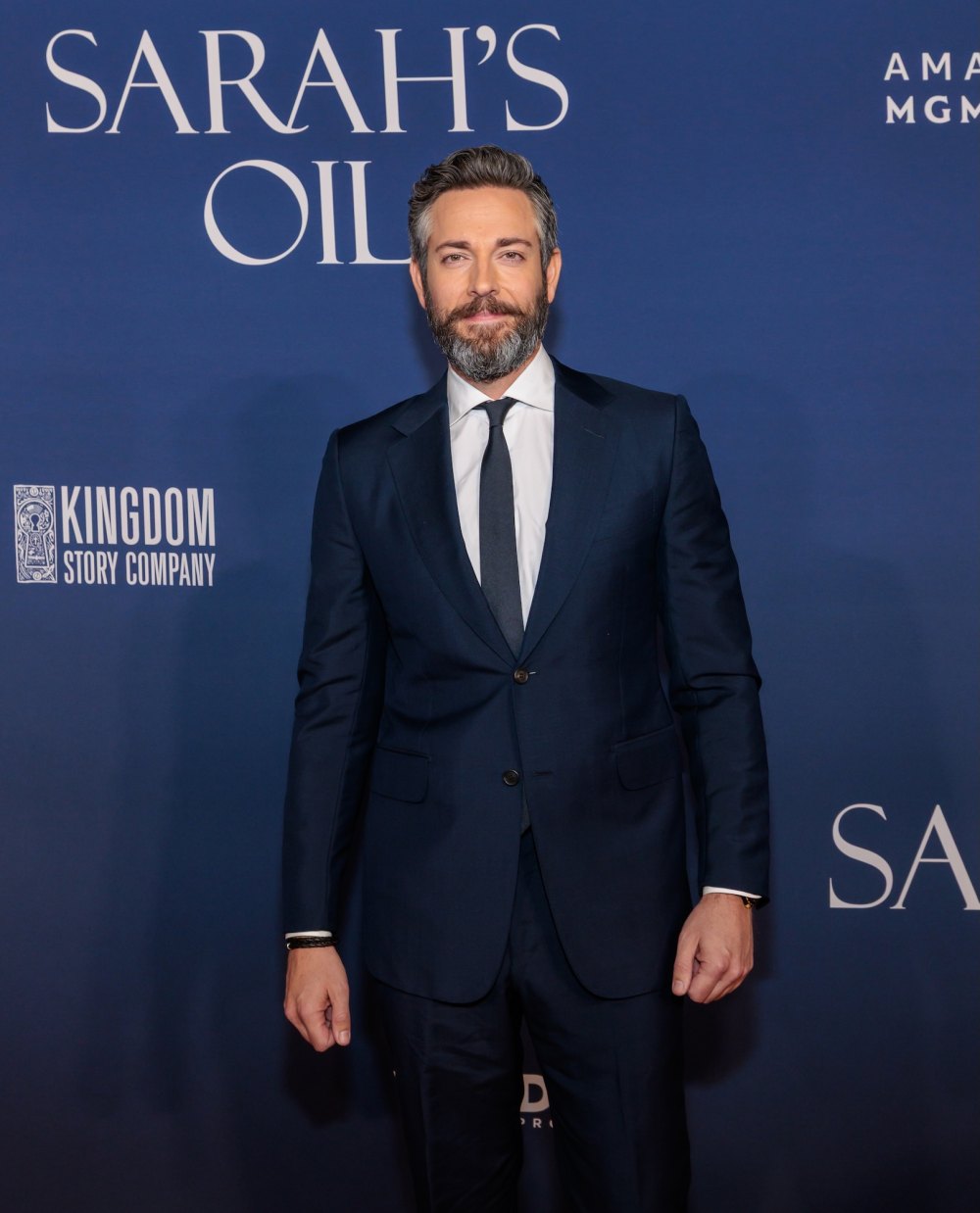
In an age of misinformation, eyewitness testimony from trusted public figures carries weight. Zachary Levi’s reputation for authenticity — both on-screen and off — made his account a cornerstone in early reporting.
Media outlets quickly cited his statements. His social media posts, since deleted or archived, were screen-grabbed and shared across news platforms. But more than that, his testimony highlighted a vulnerability in high-security events: even with the President’s press corps and Secret Service present, threats can emerge from unforeseen angles.
Consider this: - The WHCD has robust security protocols. - Attendees are vetted. - The venue is monitored. Yet the incident occurred not in the ballroom, but in a peripheral zone — a blind spot where perimeter security failed.
Levi didn’t critique policy, but his observations implied a gap: “We assume safety because of who’s there. But danger doesn’t care about guest lists.”
Inside the Ballroom: A Timeline of Fear
Based on Levi’s recollection and corroborated reports, here’s how events unfolded inside:
9:43 PM – Comedian wraps up set. Applause fades. 9:45 PM – A single gunshot heard near the loading dock. Not loud, but distinct. 9:46 PM – Security personnel exchange rapid glances. Two agents move toward the sound. 9:47 PM – Ballroom lights dim slightly (possibly unrelated, but noted by attendees). 9:48 PM – Whispers begin. Someone says, “Was that a gun?” 9:49 PM – Staff begin guiding guests toward interior corridors. No alarm, no announcement. 9:51 PM – Doors to the ballroom are sealed. Phones go silent as people text silently. 9:55 PM – First official word: “We’re investigating an incident. Please remain calm.”
Levi described the silence as “deafening.” No one screamed, but the air thickened with dread. Journalists used burner phones to file updates. Stars huddled with handlers. And outside, police converged on the shooter, who was apprehended within seven minutes of the shot being fired.
The Aftermath: Emotional Fallout and Industry Reflection
In the days following, Levi spoke sparingly — not out of avoidance, but what he described as “processing.” At a press junket for a film promo, he was asked if he’d attend future WHCD events.
“I don’t know,” he said. “It’s not fear, exactly. It’s more… recalibration. You go to these things thinking they’re untouchable. Then something like this happens, and you realize: none of us are.”
His comments struck a chord. Other attendees, including journalists and comedians, echoed similar sentiments. The WHCD has always been a target of criticism — for excess, for access, for blurring lines between press and power. But now, it faced a new critique: safety.
Event planners in the entertainment industry began revisiting risk assessments. Hotels that host high-profile galas started re-evaluating side entrances, staff access logs, and firearm detection systems.
One security consultant told The Wrap: “Levi’s account gave us a human lens into a protocol failure. We can run drills, but until you hear from someone who was actually there — calm, observant, credible — it’s abstract.”
Broader Implications: Celebrity Witness vs. Public Record
Levi’s role wasn’t official. He wasn’t interviewed by the FBI on camera. He wasn’t a key witness in the legal sense. But in the court of public understanding, his voice mattered.
Why? Because people trust narratives they can see and feel. A police report says “one round discharged, suspect detained.” Levi says, “I saw a woman clutch her child under a table. I saw a reporter whisper a voicemail to her mom. I saw fear we don’t talk about.”
That emotional granularity shapes perception.
And while law enforcement confirmed no injuries resulted from the shooting, the psychological impact persists. Some attendees reported symptoms of acute stress. Others said they now scan exits at events, just in case.
Levi didn’t claim to speak for everyone. But by speaking at all — clearly, without sensationalism — he gave shape to an event that could have been reduced to headlines and speculation.
What This Means for Future Events
The WHCD shooting incident, though brief and contained, exposed vulnerabilities that extend beyond one night in D.C.
Key takeaways: - High-profile events attract not just attention, but risk from peripheral actors (e.g., disgruntled staff, opportunistic individuals). - Communication during lockdowns is critical. Silence breeds panic. - Celebrities and public figures can serve as credible eyewitnesses when they avoid embellishment. - Emotional aftermath is real, even when physical harm is minimal.
Organizers of similar events have since implemented changes: - Stricter staff credentialing - Real-time threat assessment teams on-site - Clearer internal communication protocols - Psychological support on standby
Zachary Levi didn’t call for any of this. But his testimony helped illuminate why it’s necessary.
Closing: The Value of Calm Testimony in Crisis
In moments of public crisis, information spreads fast — often faster than facts. That’s why measured, firsthand accounts matter. Zachary Levi didn’t grandstand. He observed, he shared, and he let the gravity of the situation speak for itself.
For event planners, journalists, or anyone navigating high-pressure environments, his approach offers a model: stay present, speak truthfully, and resist the urge to dramatize.
The ballroom at the Washington Hilton is back to hosting galas. The WHCD continues. But after that night, nothing feels quite as untouchable as it once did.
And perhaps that’s the lesson: vigilance isn’t paranoia. It’s preparation.
FAQ
Was Zachary Levi injured during the WHCD shooting? No. Levi was unharmed physically but described emotional distress in the aftermath.
Where exactly was Zachary Levi when the shot was fired? He was seated in the rear of the ballroom, near an exit, which gave him a clear view of security response.
Did Levi see the shooter? No. He did not see the individual who fired the shot, which occurred outside the main ballroom.
How did Levi react during the lockdown? He followed staff instructions, moved to a secure area, and later used his phone to inform family he was safe.
Was the WHCD canceled after the shooting? The event was paused briefly, but no formal program was underway when the incident occurred. Guests were evacuated or held in place until the all-clear.
Has Levi spoken about the incident since? Minimally. He addressed it in a few interviews but has not made it a focus of public discussion.
What charges did the shooter face? The individual was charged with unlawful discharge of a firearm, attempted assault, and breaching security at a protected event.
FAQ
What should you look for in Zachary Levi Reveals Chaos Inside Ballroom During WHCD Shooting? Focus on relevance, practical value, and how well the solution matches real user intent.
Is Zachary Levi Reveals Chaos Inside Ballroom During WHCD Shooting suitable for beginners? That depends on the workflow, but a clear step-by-step approach usually makes it easier to start.
How do you compare options around Zachary Levi Reveals Chaos Inside Ballroom During WHCD Shooting? Compare features, trust signals, limitations, pricing, and ease of implementation.
What mistakes should you avoid? Avoid generic choices, weak validation, and decisions based only on marketing claims.
What is the next best step? Shortlist the most relevant options, validate them quickly, and refine from real-world results.