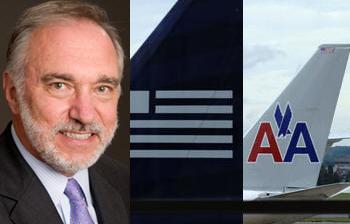
When the CEO of a major airline publicly calls out a competitor for refusing merger talks, it's not just corporate drama—it's a strategic signal wrapped in frustration. United Airlines CEO Scott Kirby didn’t mince words recently, criticizing American Airlines for shutting down potential discussions about a merger. What began behind closed doors has now exploded into public view, revealing deeper tensions in an industry already strained by post-pandemic recovery, labor shortages, and shifting consumer behavior.
This isn’t just about two airlines disagreeing. It’s about control, competition, and the long-term survival of legacy carriers in an evolving market.
The Statement That Started It All
Kirby’s criticism came during a public interview where he was asked about industry consolidation. His response cut straight to the point: American Airlines has repeatedly refused to engage in talks about a potential merger, despite what he sees as clear strategic benefits.
“We’ve reached out multiple times,” Kirby said. “They’ve chosen not to talk. I don’t understand it. It would be better for employees, better for shareholders, better for customers.”
That last claim—better for customers—raises eyebrows. Mergers typically reduce competition, not enhance it. But Kirby’s argument hinges on efficiency: fewer overlapping routes, better network coverage, and stronger financial footing to invest in new aircraft, technology, and customer service.
American Airlines, for its part, has remained silent on the specifics. But in an internal memo, CEO Robert Isom emphasized that American is “focused on executing our own strategy,” suggesting a deliberate choice to remain independent.
Why a United-American Merger Would Be Historic
Combining United and American would create the largest airline in the world by fleet size and available seat miles. The merged entity would dominate domestic travel, especially on key business routes like New York to Los Angeles, Chicago to Dallas, and Washington to San Francisco.
Let’s put this in perspective:
| Metric | United Airlines | American Airlines | Combined Total |
|---|---|---|---|
| Fleet Size | ~870 aircraft | ~900 aircraft | ~1,770 aircraft |
| Annual Passengers | ~160 million | ~200 million | ~360 million |
| Domestic Market Share | ~16% | ~18% | ~34% |
| International Destinations | 130+ | 100+ | 230+ |
Such scale would surpass even Delta’s network. But with that power comes regulatory scrutiny—and customer skepticism.
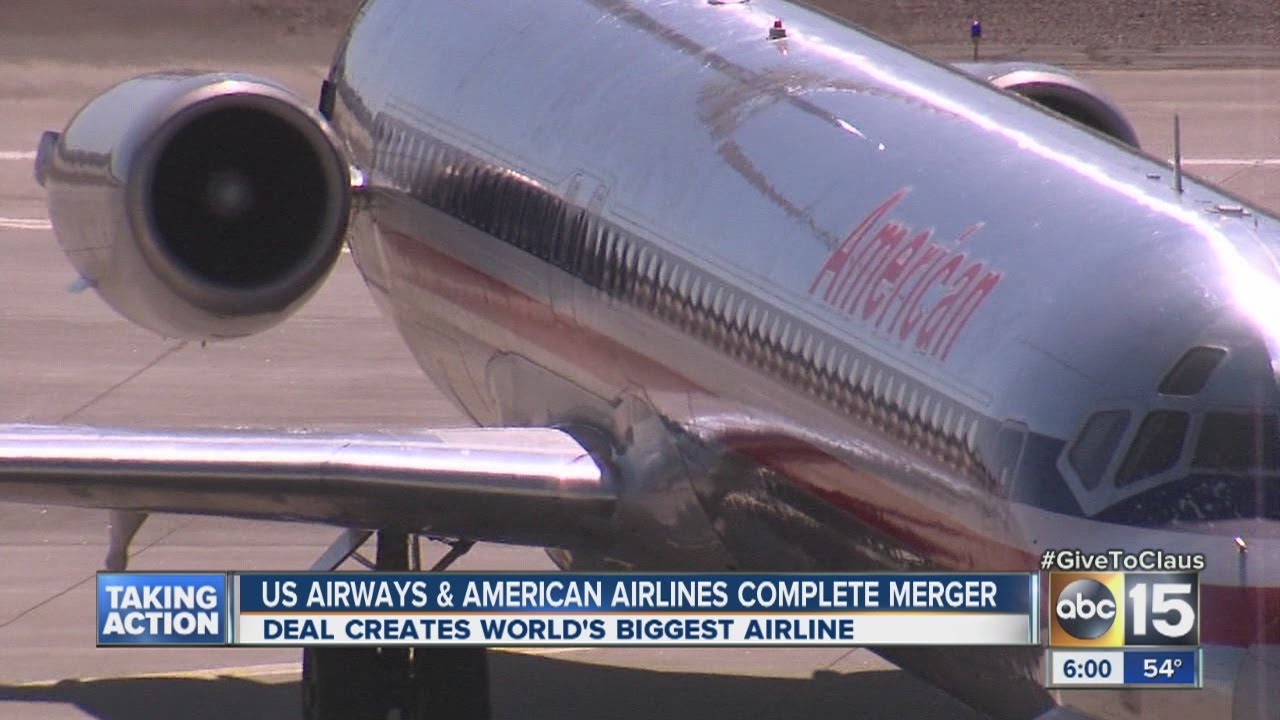
The last major U.S. airline merger was American’s acquisition of US Airways in 2013. That deal faced intense antitrust review but was ultimately approved. A United-American combo, however, would face far tougher hurdles. The Department of Justice has grown increasingly aggressive in blocking mergers that reduce competition, especially in concentrated industries.
What Kirby Isn’t Saying (But Might Be Thinking)
Public statements are polished. Behind them, there’s likely a more complex calculus.
United has made gains in international premium travel, particularly in long-haul routes and alliances. American, meanwhile, has struggled with operational consistency and labor relations. A merger could allow United to absorb American’s strong domestic hubs—Charlotte, Dallas, Philadelphia—while offloading underperforming international routes.
But there’s another angle: defense.
Delta and Southwest have been aggressive in expanding their networks and improving reliability. Alaska Airlines’ acquisition of Hawaiian Airlines signals regional carriers are thinking big. United may fear being outmaneuvered if the industry consolidates without it.

Refusing to pursue every strategic option—even one that seems unlikely—could be seen as negligence by shareholders. By going public, Kirby puts pressure on American while covering his own flank with investors.
Why American Said No (And Might Be Right)
American’s rejection isn’t necessarily short-sighted. Mergers are messy, expensive, and risky.
Consider the aftermath of United’s 2010 merger with Continental. It took over a decade to fully integrate systems, rebrand, and unify labor contracts. Customer service suffered. Internal morale dipped. Even today, some legacy divisions persist.
American knows this better than most. Its own merger with US Airways was plagued by integration challenges, including:
- Years-long delays in merging frequent flyer programs
- Pilot seniority disputes that led to lawsuits
- Brand confusion and inconsistent customer experience
A new merger would mean restarting that painful cycle—just as American is stabilizing.
Moreover, American has spent the last few years rebuilding its reputation. It’s invested heavily in:
- New aircraft (A321XLRs, 787s)
- Airport lounge upgrades
- Improved mobile app and booking systems
Now isn’t the time to disrupt that momentum with a $30+ billion integration project.
The Real Obstacle: Regulatory and Political Pushback
Even if both airlines wanted to merge, the government probably wouldn’t allow it.
The Biden administration has made antitrust enforcement a priority. The Department of Justice blocked JetBlue’s proposed partnership with Spirit Airlines in 2023, arguing it would reduce competition and raise fares. A United-American merger would face even fiercer opposition.
Economists generally agree that fewer competitors lead to higher prices. A 2022 study by the American Economic Association found that airline mergers result in average fare increases of 5% to 10% on overlapping routes.
Consumer advocates are already sounding alarms.
“This isn’t about efficiency,” said Sarah Smith of FlyersRights.org. “It’s about eliminating competition. Passengers will pay more, get fewer options, and have less recourse when things go wrong.”
Congress would likely hold hearings. State attorneys general could sue. The process could drag on for years—killing the deal or forcing massive divestitures.
What This Means for Travelers
You don’t need to be a shareholder to feel the ripple effects.
If United and American were to merge, travelers could expect:
- Fewer choices on key domestic routes
- Higher fares, especially in cities where both airlines compete (e.g., Chicago, Dallas, Washington)
- Improved international connections through a unified network
- Short-term disruption during integration (booking glitches, loyalty program changes, inconsistent service)
Frequent flyers would face the biggest adjustment. United’s MileagePlus and American’s AAdvantage are two of the most valuable programs in travel. Merging them would require complex negotiations over point values, elite status matching, and partner airline access.
Past mergers show elite members often lose benefits they once took for granted. For example, after Delta merged with Northwest, some top-tier flyers saw their upgrade privileges reduced or eliminated.
Could a Partnership Work Instead?
Full merger or bust? Not necessarily.
United and American could pursue a joint venture—a less invasive form of cooperation. Airlines like Delta and Air France-KLM have successful transatlantic joint ventures that allow them to share costs, coordinate schedules, and sell combined tickets—without merging companies.
Benefits of a joint venture:
- Regulatory approval is more likely
- Airlines maintain independence
- Customers get seamless connections and shared loyalty benefits
But there are limits. Joint ventures still require antitrust immunity, which the DOJ grants sparingly. And without full integration, cost savings are smaller.
Right now, both airlines are focused on competing, not collaborating. American has strengthened ties with JetBlue in certain markets. United has expanded its partnership with Air Canada and Lufthansa.
What’s Next for the Airline Industry?
Kirby’s comments may not lead to a merger, but they do signal a shift.
Legacy carriers are no longer just battling each other—they’re facing pressure from:
- Ultra-low-cost carriers (Frontier, Spirit)
- Tech-savvy startups (Breeze Airways, Avelo)
- New aircraft technology (sustainable fuels, supersonic jets)
- Changing work habits (fewer business travelers)
In this environment, scale matters. But so does agility.
The airlines that thrive will be those that can balance growth with operational excellence. That means investing in:
- On-time performance
- Customer service recovery
- Digital experience (apps, chatbots, self-service)
- Sustainable aviation initiatives
A merger might bring scale, but it won’t fix broken operations.
A Strategic Move, Not a Surprise
Scott Kirby didn’t go public because he expected American to suddenly change its mind. He did it because silence would have been interpreted as weakness.
By calling out American, Kirby achieves several things:
- Shows shareholders he’s exploring all strategic options
- Positions United as forward-thinking and bold
- Puts American on the defensive
- Influences public and regulatory perception
This is corporate chess, not impulsiveness.
American’s refusal may be smart. But it’s now on record as saying no to an offer that, in theory, could strengthen the entire U.S. airline industry.
Whether that’s a point of pride or a future regret depends on what happens next.
Closing: Watch the Skies, Not Just the Headlines
The story of United’s CEO criticizing American for rejecting merger talks isn’t really about a deal that might never happen. It’s about power, positioning, and the high-stakes future of air travel.
For travelers, the lesson is clear: competition is fragile. When two of the biggest airlines start talking consolidation, fares tend to rise, choices shrink, and customer service becomes a secondary concern.
Stay informed. Diversify your loyalty. And don’t assume today’s network will exist tomorrow.
Because in the airline industry, the only constant is change.
FAQ
Why did United’s CEO criticize American Airlines? United CEO Scott Kirby criticized American for refusing to engage in merger discussions, arguing that a combination would benefit employees, shareholders, and customers through greater efficiency and network strength.
Has American Airlines confirmed the merger talks? American has not confirmed formal merger talks but acknowledged that it remains focused on its independent strategy and long-term growth plan.
Would a United-American merger be allowed by regulators? It’s highly unlikely. The Department of Justice has increased scrutiny on mergers that reduce competition, and combining the two largest U.S. carriers would face significant antitrust challenges.
How would a merger affect airline ticket prices? Historical data suggests mergers lead to higher fares, especially on routes where the airlines currently compete. Consumers could expect price increases of 5% to 10% on overlapping routes.
What would happen to frequent flyer programs? Merging MileagePlus and AAdvantage would be complex. Past mergers show elite benefits often get diluted, and full integration can take years.
Could United and American cooperate without merging? Yes. They could form a joint venture or codeshare agreement, allowing coordination on routes and pricing without full integration—though even this would require regulatory approval.
Is another airline merger likely in the U.S.? While full mergers are unlikely due to antitrust concerns, strategic partnerships and regional acquisitions (like Alaska-Hawaiian) are more feasible paths for growth.
FAQ
What should you look for in United Chief Slams American Airlines Over Merger Rejection? Focus on relevance, practical value, and how well the solution matches real user intent.
Is United Chief Slams American Airlines Over Merger Rejection suitable for beginners? That depends on the workflow, but a clear step-by-step approach usually makes it easier to start.
How do you compare options around United Chief Slams American Airlines Over Merger Rejection? Compare features, trust signals, limitations, pricing, and ease of implementation.
What mistakes should you avoid? Avoid generic choices, weak validation, and decisions based only on marketing claims.
What is the next best step? Shortlist the most relevant options, validate them quickly, and refine from real-world results.