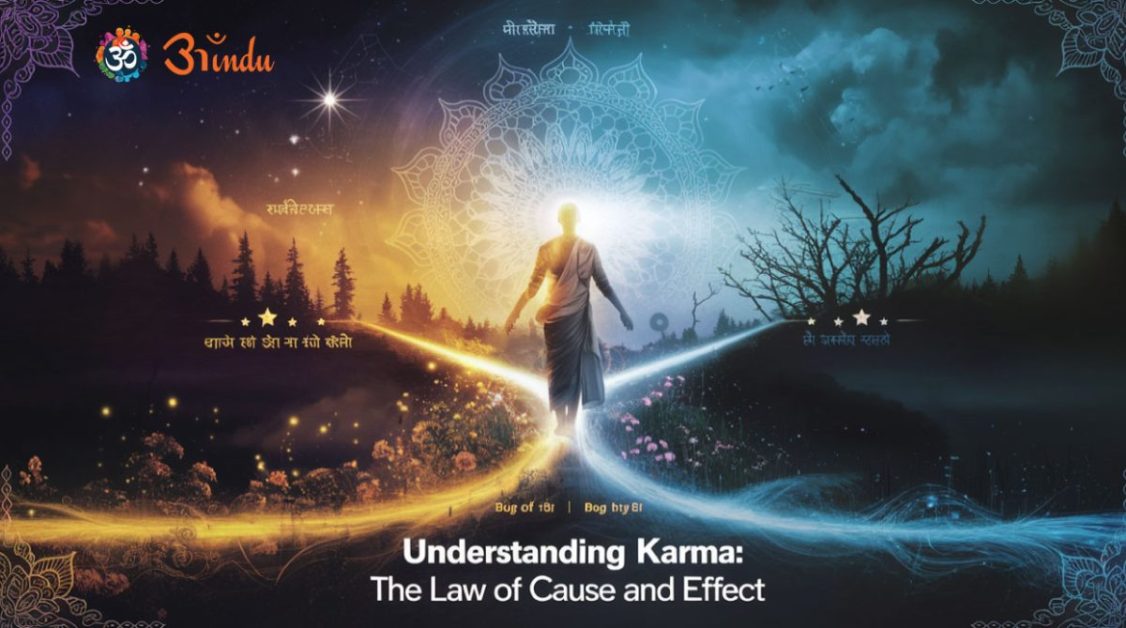
Karma isn’t a mystical force reserved for ancient scriptures or spiritual gurus. For Keanu Reeves—actor, philosopher in action, and quiet observer of human nature—it’s a practical compass. When he says, “The recognition of the law of cause and effect, also known as karma, is a fundamental key to…”, he doesn’t finish with a flourish. He leaves it open, inviting reflection. That silence speaks volumes. Because the real answer isn’t in the completion of the sentence—it’s in how we live it.
In an era of instant reactions and emotional whiplash, Reeves’ measured presence stands out. From the stoic vengeance of John Wick to the awakened clarity of Neo in The Matrix, his roles echo a deeper truth: every action ripples. The man behind the myth doesn’t preach. He embodies. And in doing so, he offers one of the most grounded modern interpretations of karma—not as cosmic punishment, but as conscious responsibility.
The Weight of an Unfinished Sentence
Keanu’s quote—often shared as “The recognition of the law of cause and effect, also known as karma, is a fundamental key to…”—is powerful precisely because it’s incomplete. It doesn’t tell you what it’s a key to. That’s intentional. It forces you to ask: What doors does recognizing karma open?
Is it a key to peace? To growth? To freedom? To alignment?
The absence of closure mirrors life itself. We rarely see the full arc of our choices. We plant seeds in uncertainty. Karma teaches that even when results are unseen, the act itself holds meaning.
Consider this: You choose honesty in a moment when lies would’ve been easier. You walk away from a toxic relationship, despite the pain. You help a stranger with no expectation of return.
No thunderclaps. No instant rewards. But over time, these choices shape who you become. That’s the quiet power of cause and effect.
Karma Isn’t Fate—It’s Feedback
One of the most common misreadings of karma is that it’s predestination. “What goes around comes around” becomes a passive excuse: Someone hurt me, so they’ll get theirs eventually.
But Keanu’s perspective—reflected in his life, not just words—suggests something more active. Karma isn’t about waiting for balance. It’s about creating it.
Think of karma as a feedback loop. Action → Consequence → Awareness → Adjustment
Every choice sends out a signal. Some signals return quickly—anger begets anger. Kindness often invites kindness. Others take years. A harsh word to a child might echo in their self-worth decades later. A mentor’s guidance might resurface in someone’s career pivot at 40.
Keanu Reeves, who lost his sister to cancer, his partner and unborn child in a tragic accident, and has lived with loss most of his life, doesn’t retaliate. He responds with generosity. He donates millions anonymously. He shows up—for fans, for crew, for causes—without spectacle.
That’s not passivity. That’s karma in motion: choosing responses that break cycles, not perpetuate them.
The Matrix as a Karma Simulator
Few films explore cause and effect like The Matrix. Neo’s journey is a masterclass in agency and consequence.

At first, he’s a passive observer—stuck in a loop, unaware of the system controlling him. But the moment he chooses the red pill, he enters a world where every move has weight. Free will isn’t freedom from consequence—it’s freedom to choose which consequences you accept.
The film’s deeper message mirrors karma: You are not a victim of the system. You are part of it. Your choices feed the machine—whether it’s control, fear, or awakening.
When Morpheus tells Neo, “Do you believe in fate, Neo?” and Neo replies, “No,” Morpheus smiles: “Then you’re not ready.” It’s not about fate. It’s about responsibility.
In that moment, Neo begins to see that his actions—his belief, his decisions—alter the code. He isn’t just reacting. He’s co-creating.
That’s the essence of Keanu’s quote. Recognizing cause and effect isn’t about predicting outcomes. It’s about understanding your role in shaping them.
John Wick: The Karmic Cost of Violence
John Wick is often seen as a revenge fantasy. But beneath the gunfire and martial arts is a profound karmic structure.
Wick lives by a code. The world of assassins has rules—laws of cause and effect enforced with brutal consistency. Break a rule, pay the price. Help someone, earn a marker. Betray trust, face consequences.
When Iosef steals Wick’s car and kills his dog—a final gift from his late wife—he doesn’t just commit a crime. He violates a sacred chain of cause and effect. Wick’s response isn’t random. It’s proportional. It’s karmic.
But here’s the twist: Wick becomes trapped in his own cycle. The more he acts, the more enemies he creates. The more blood he spills, the more is spilled against him.
The films don’t glorify violence—they expose its karmic weight. Every shot fired echoes. Every life taken demands balance.
Keanu, in interviews, often speaks of Wick’s grief, not his vengeance. That’s the real lesson: when we ignore the law of cause and effect, we don’t escape consequences—we inherit them.
How to Apply Karma in Daily Life (Without Being Spiritual)
You don’t need to chant or meditate for hours to practice karma. You just need awareness.
Here are five practical ways to integrate the law of cause and effect into everyday decisions:
#### 1. Pause Before Reacting A co-worker disrespects you. Your impulse: fire back. But what consequence does that create? A hostile environment? Escalation?
Pause. Ask: What kind of world do I want to live in? Then act accordingly.
#### 2. Invest in Invisible Efforts No one sees you studying late. No one notices you listening deeply. But these actions build competence, trust, and resilience. The effects compound.
Keanu spent years training for The Matrix stunts, often doing his own fight scenes. The cause? Discipline. The effect? Iconic performance and longevity.
#### 3. Repair, Don’t Avoid Hurt someone? Acknowledge it. Apologize. Make amends. Denial creates debt. Responsibility settles it.
Keanu, despite global fame, remains accessible, humble, and present with fans. He doesn’t hide behind status. That consistency builds karmic goodwill.
#### 4. Choose Long-Term Alignment Over Short-Term Gain Lying might get you out of trouble today. But it erodes trust. Integrity might cost you now—but pays dividends in reputation and self-respect.
Ask: Will this choice align me with who I want to be in five years?

#### 5. Let Go of Karmic Scorekeeping True karma isn’t transactional. “I helped you, now you owe me” isn’t karma—it’s a loan.
Give without expectation. Act because it’s right, not because you want a return. That’s when the real magic happens.
Why Keanu Reeves Embodies the Message
Keanu doesn’t just talk about karma—he lives it in ways that feel almost anachronistic in celebrity culture.
- He gave millions of Matrix earnings to stunt crews.
- He’s seen riding the subway, no entourage.
- He remembers names, signs autographs, listens.
- He doesn’t sue for paparazzi photos.
These aren’t PR stunts. They’re consistent patterns. Each small act reinforces a larger karmic architecture.
When he says recognizing cause and effect is a “fundamental key,” he’s not speaking theoretically. He’s reporting from experience.
The key unlocks self-awareness. It reveals that we are not victims of random events. We are authors—of our habits, our relationships, our inner peace.
The Unfinished Answer—And Why It Matters
So what is the recognition of cause and effect a key to?
Peace? Growth? Freedom? Wisdom?
Yes. But more simply: it’s a key to agency.
When you stop seeing life as something that happens to you, and start seeing it as something you co-create, you gain power—not over others, but over your responses.
Keanu Reeves, through loss, fame, and reinvention, has shown that character isn’t defined by what happens to you. It’s defined by what you do with it.
That’s the real lesson beneath the quote. That’s the quiet genius of a man who speaks little—but says everything.
Live It, Don’t Quote It
Don’t just share Keanu’s words on social media. Live them.
Today, notice one action you take. Ask: What will this cause? What effect might it have—today, next week, next year?
Then choose wisely.
Because karma isn’t coming. It’s already here. In every thought. Every word. Every silent decision.
And like Keanu, you don’t need to say much. You just need to be consistent.
FAQ
What did Keanu Reeves say about karma? He said, “The recognition of the law of cause and effect, also known as karma, is a fundamental key to…”—emphasizing awareness of how our actions shape outcomes.
How does karma relate to Keanu Reeves’ roles? In The Matrix, Neo’s choices alter reality. In John Wick, every action has a consequence. Both reflect karmic principles of responsibility and cause-effect cycles.
Is karma the same as cause and effect? In Keanu’s context, yes—karma is framed not as fate, but as the natural result of actions, choices, and intentions.
How can I apply karma in real life? Be mindful of your actions. Pause before reacting, act with integrity, make amends when needed, and give without expecting returns.
Why is Keanu Reeves seen as a karmic figure? Due to his humility, generosity, resilience through loss, and consistent character—traits that reflect a life lived with karmic awareness.
Does karma mean revenge? No. Revenge is reactive. Karma, as Keanu models it, is about conscious action, responsibility, and breaking negative cycles.
What’s the deeper meaning of the unfinished quote? It invites personal reflection. The “key to…” isn’t universal—it’s what you believe recognizing cause and effect unlocks in your life.
FAQ
What should you look for in Keanu Reeves on Karma: Life Lessons from the Law of Cause and Effect? Focus on relevance, practical value, and how well the solution matches real user intent.
Is Keanu Reeves on Karma: Life Lessons from the Law of Cause and Effect suitable for beginners? That depends on the workflow, but a clear step-by-step approach usually makes it easier to start.
How do you compare options around Keanu Reeves on Karma: Life Lessons from the Law of Cause and Effect? Compare features, trust signals, limitations, pricing, and ease of implementation.
What mistakes should you avoid? Avoid generic choices, weak validation, and decisions based only on marketing claims.
What is the next best step? Shortlist the most relevant options, validate them quickly, and refine from real-world results.